

10 Skills Every Team Should Build by 2026
Technology Needs a Strong Human Foundation
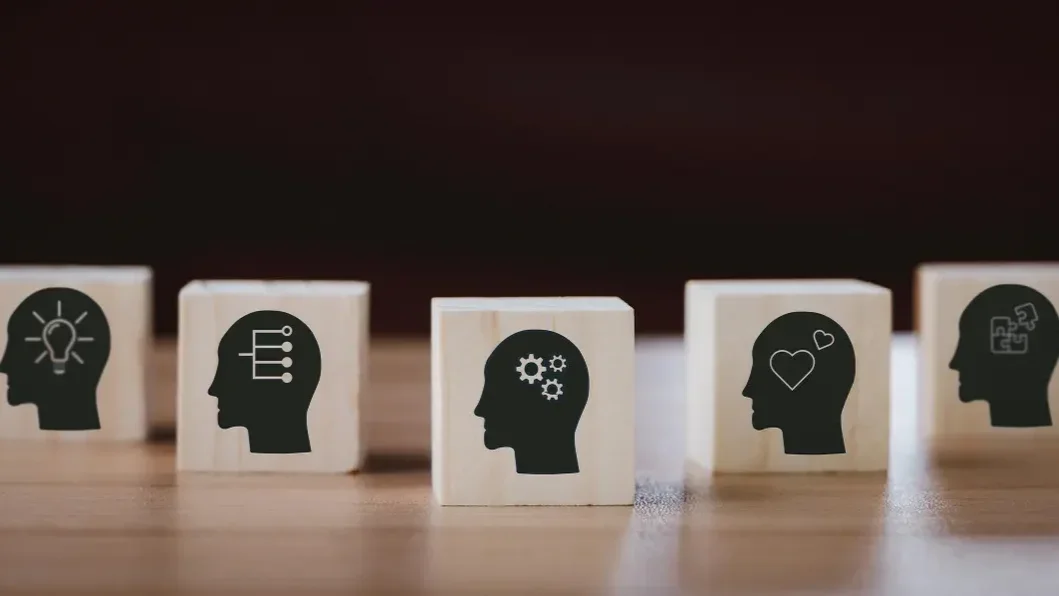
Surabaya, StartFriday.Asia — As organizations race to adopt artificial intelligence, automation, and new digital workflows, a recent insight circulating on social media offers a timely reminder: technology alone will not secure the future of work. Without strong human foundations, even the most advanced systems fail to deliver meaningful impact.
While many companies continue to invest heavily in tools and platforms, essential human capabilities—such as trust, resilience, and clear thinking—remain irreplaceable. In environments shaped by constant change, it is these skills that determine whether teams merely survive disruption or actively grow through it. The perspective highlights ten core human skills that teams must intentionally cultivate by 2026 to remain adaptive, resilient, and effective.
Psychological Safety as the Basis of Innovation
Innovation cannot exist where fear dominates. Teams that lack psychological safety tend to suppress ideas, avoid difficult conversations, and prioritize self-protection over progress. In such environments, mistakes are hidden rather than learned from. Building psychological safety requires leaders and team members to practice listening without defensiveness, welcoming dissenting views, and showing vulnerability. When people feel safe to speak up, teams unlock creativity, faster problem-solving, and healthier collaboration.
Resilience That Does Not Lead to Burnout
Resilience is often misunderstood as endurance at all costs. In reality, sustainable resilience is about managing energy, not just effort. Teams that push continuously without recovery eventually experience disengagement and burnout. Healthy resilience emerges when organizations normalize rest, respect boundaries, and design workloads that allow recovery. This approach enables teams to sustain performance over time rather than peak briefly and collapse.
Systems Thinking to See the Bigger Picture
Without systems thinking, teams often treat symptoms instead of root causes. Problems are solved in isolation, leading to repeated failures and inefficiencies across departments. By understanding how processes, people, and decisions interconnect, teams can identify leverage points that create lasting impact. Systems thinking encourages collaboration beyond silos and helps organizations move from reactive fixes to strategic solutions.
Constructive Conflict as a Growth Tool
Avoiding conflict may feel comfortable, but it often delays larger problems. Teams that lack skills in navigating disagreement tend to default to silent compliance or unresolved tension. Constructive conflict allows teams to challenge ideas without attacking individuals. When disagreement is handled with respect and clarity, it sharpens thinking, improves decisions, and strengthens trust.
Feedback as a Shared Responsibility
Feedback should not be limited to performance reviews or top-down directives. When feedback flows only one way, learning slows and blind spots persist. High-performing teams treat feedback as a mutual, ongoing practice. Shared language, clear rituals, and psychological safety enable feedback to become a tool for growth rather than a source of fear.
Adaptability in the Face of Ambiguity
With change becoming constant, certainty is no longer guaranteed. Teams that wait for complete clarity often fall behind. Adaptability means normalizing experimentation, learning quickly from failure, and adjusting in motion. Teams that embrace ambiguity are better positioned to respond intelligently to unexpected shifts.
Equity-Minded Decision-Making
Inclusion is not a one-time initiative—it is a daily practice embedded in decisions. Equity-minded teams actively recognize bias, distribute power fairly, and ensure diverse perspectives are represented. When equity becomes part of how decisions are made, organizations benefit from broader insight, stronger engagement, and more sustainable outcomes.
Relationship Intelligence in Everyday Work
Trust is not built through grand gestures but through consistent, everyday interactions. Relationship intelligence involves empathy, presence, and awareness of how actions affect others. Teams with strong relational skills collaborate more effectively, navigate tension with maturity, and maintain cohesion during periods of stress or change.
Self-Leadership and Boundary Management
High performance does not mean constant availability. Without clear boundaries, even the most capable individuals risk exhaustion. Self-leadership enables team members to manage energy, prioritize effectively, and set healthy limits. Organizations that respect boundaries tend to see higher engagement and long-term productivity.
Learning Agility as a Core Capability
In a rapidly evolving landscape, relevance depends on the ability to keep learning. Skills acquired today may not be sufficient tomorrow. Learning agility allows teams to experiment, adapt, and grow continuously. Those who remain curious and open to change are more likely to stay ahead as new challenges emerge.
Read More: Bukan Sekadar Gaji, Employer Branding Jadi Alasan Talenta Terbaik Memilih Bertahan
Why Human Skills Are Becoming a Strategic Advantage
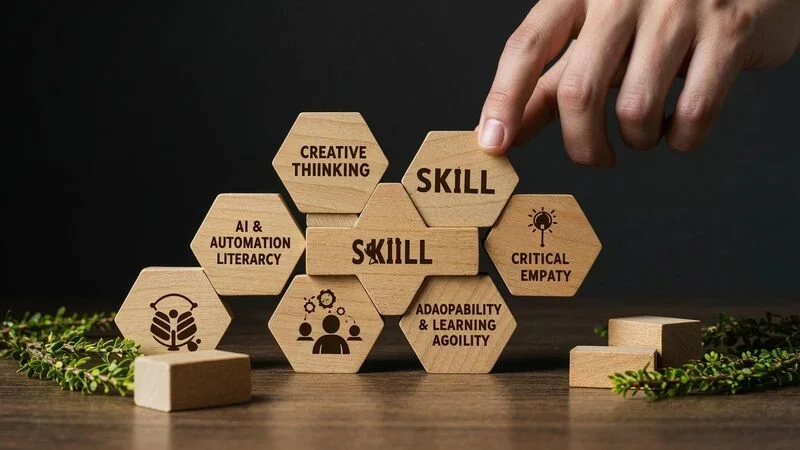
As technology becomes more accessible, competitive advantage no longer comes from who adopts tools first, but from who uses them most effectively. Human skills reduce friction, accelerate alignment, and improve decision quality. Organizations with strong human foundations move faster because trust replaces bureaucracy, and clarity replaces confusion. In this context, human capability is no longer optional—it is strategic.
Beyond efficiency, human skills also determine how well organizations can translate strategy into action. Alignment, trust, and shared understanding reduce rework, miscommunication, and internal resistance. In fast-moving markets, this advantage compounds over time, allowing organizations to execute decisions faster and adapt without constant restructuring.
The Hidden Cost of Ignoring Human Capability
When human skills are neglected, the impact often appears indirectly: rising turnover, disengagement, burnout, and slow execution. These costs may not appear immediately on dashboards, but they erode performance over time. Technology amplifies existing conditions. Without strong human foundations, digital investments risk magnifying dysfunction rather than solving it.
Over time, the absence of strong human capability creates cultural debt—an accumulation of unresolved tension, disengagement, and misalignment. This debt often surfaces during crises, when teams struggle to collaborate under pressure, causing delays, poor decisions, and reputational risk that could have been avoided.
Leadership’s Role in Preparing Teams for 2026
Human capability does not develop by accident. Leaders play a critical role in shaping norms, modeling behaviors, and creating environments where these skills can thrive. Leadership today requires more than setting targets. It demands openness to feedback, comfort with uncertainty, and consistency between stated values and daily actions.
Leaders act as amplifiers of behavior. When leaders model curiosity, accountability, and emotional intelligence, these behaviors cascade through the organization. Conversely, leaders who dismiss human dynamics unintentionally legitimize silos, fear, and disengagement—undermining even the most well-designed transformation initiatives.
Collective Capability Over Individual Brilliance
While individual talent remains important, the future belongs to teams that can think, decide, and adapt together. Collective maturity determines how well organizations respond under pressure. Teams that coordinate effectively, learn continuously, and maintain trust will outperform those that rely solely on individual excellence.
In complex environments, no single individual holds all the answers. Collective capability allows teams to integrate diverse perspectives, challenge assumptions, and arrive at more robust decisions. This shared intelligence becomes especially critical during uncertainty, where speed and coordination matter more than individual heroics.
Preparing for the Future Starts Now
As 2026 approaches, success will not be defined by the sophistication of technology alone, but by the strength of human foundations supporting it. Organizations that invest in people alongside systems will be better equipped to navigate complexity with clarity, resilience, and purpose. In the end, the most future-ready teams are not the most automated—but the most human.
Preparing for the future is not a one-off initiative but a continuous commitment to people development. Organizations that start strengthening human foundations today build resilience ahead of disruption, ensuring they are not merely reacting to change—but shaping it with confidence and clarity.
